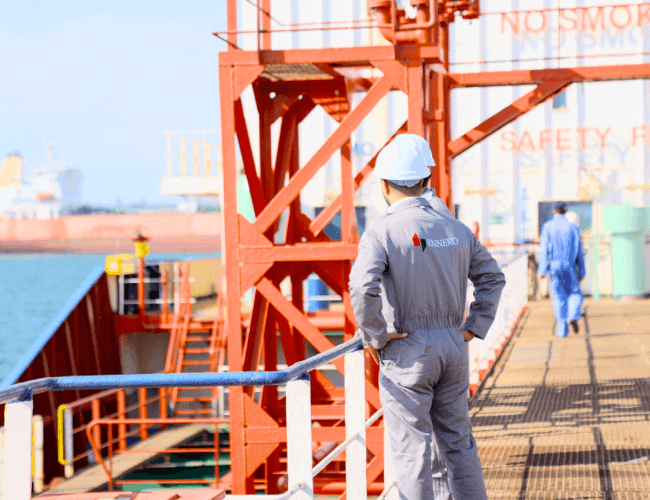
Best Practices for Implementing Marine Lubrication Solutions
Marine lubrication plays a crucial role in ensuring the smooth operation and reliability of vessels. Proper lubrication minimizes equipment wear, lowers maintenance costs, and supports optimal performance.
By adhering to well-established practices, businesses can safeguard their investments and maintain operational efficiency. Below, we explore key strategies to implement effective marine lubrications solutions.
Understand Vessel Requirements
Every vessel has unique operational demands, and selecting the appropriate lubrication products depends on those needs. Factors such as engine type, operating conditions, and environmental regulations should guide the choice of lubricants. For example, high-performance engines may require specialized oils to manage intense heat and pressure. Understanding the specific requirements will help operators ensure maximum efficiency and longevity.
Regular Maintenance and Monitoring
Adopting a systematic maintenance schedule is fundamental in marine lubrication. Regularly inspecting and analyzing oil and lubricant conditions can help identify potential issues before they become significant problems. Using tools such as oil analysis tests allows operators to measure parameters like viscosity, contamination levels, and additive depletion. Early detection and intervention can prevent costly damages and equipment failure.
Compliance with Industry Standards
Adhering to industry standards and regulations ensures that lubrication practices meet global safety and environmental benchmarks. This includes selecting lubricants certified for marine use and ensuring they align with emission control requirements. Following these standards not only reduces environmental impact but also protects a company’s reputation and avoids potential penalties.
Training Crew Members
Effective lubrication management requires the involvement of the entire crew. Providing crew members with proper training on lubrication techniques and product usage ensures consistent application and reduces the risk of errors. Trained personnel are better equipped to handle unexpected situations and can contribute to maintaining equipment over the long term.
Collaborate with Experts
Partnering with reliable suppliers and experts in marine lubrication is invaluable. These professionals can offer guidance on selecting the best products and provide technical support for challenging scenarios. Establishing long-term relationships with trusted partners can significantly improve the overall performance and reliability of vessels.
Maintain Environmental Responsibility
The marine industry has a significant impact on the environment, and using environmentally acceptable lubricants (EALs) demonstrates a commitment to sustainability. These lubricants are formulated to minimize harm to aquatic ecosystems while maintaining performance. Incorporating such products reflects a dedication to responsible maritime operations.
Implementing these practices helps ensure the reliability, efficiency, and sustainability of marine operations.

